
Frozen Embryo Transfers
What is a Frozen Embryo Transfer (FET)?
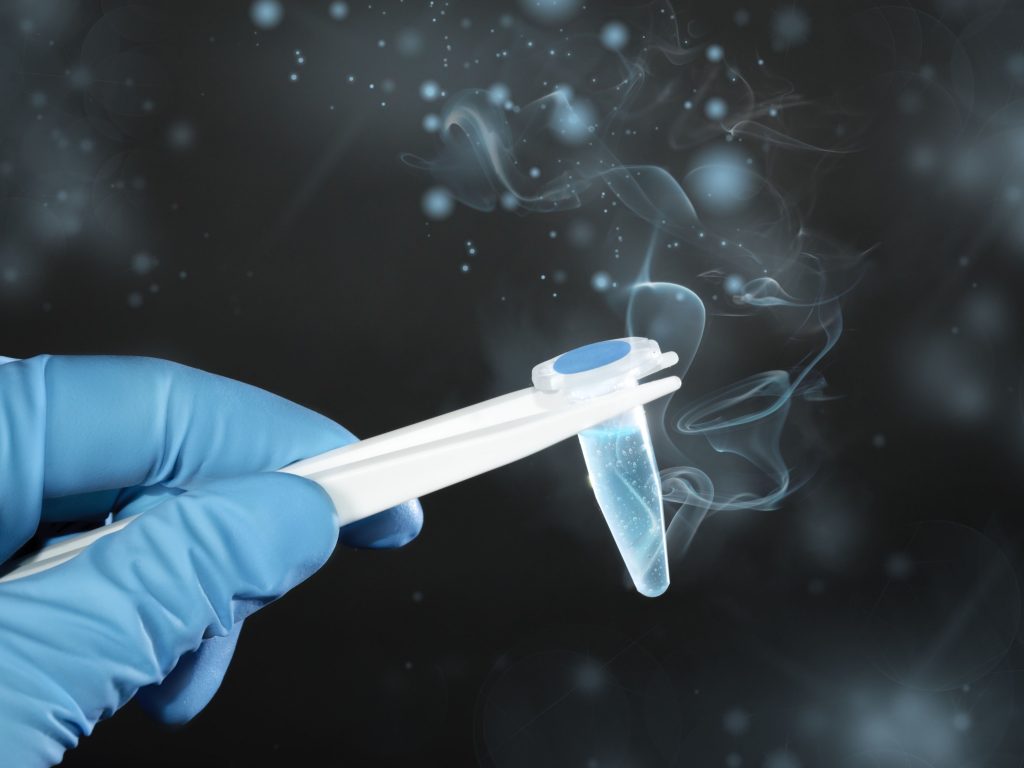
A Frozen Embryo Transfer (FET) is a fertility treatment that uses embryos frozen during a previous IVF cycle. These embryos are carefully thawed and assessed to ensure they have survived the freezing process before being transferred into the uterus.
Compared to a full IVF cycle, FET treatment is usually much simpler and less physically demanding. As the eggs have already been collected and fertilised, there is no need for ovarian stimulation injections or an egg collection procedure. Instead, treatment focuses on preparing the lining of the uterus with hormone medication to create the best possible environment for implantation. Throughout the process, ultrasound scans will be used to monitor your progress and check that your uterine lining is developing as expected.
Advances in fertility treatment mean frozen embryo transfers are becoming increasingly common, with outcomes comparable to fresh embryo transfers in many cases.
The Clinical Rationale: Why Choose a “Freeze-All” Strategy?
Your fertility specialist may recommend a “freeze-all” approach, where all viable embryos are frozen for transfer at a later date rather than transferring an embryo immediately after egg collection. This can be helpful for those who found the earlier stages of IVF emotionally or physically overwhelming, or where a later transfer may provide a better chance of success.
One of the main reasons for this strategy is to reduce the risk of Ovarian Hyperstimulation Syndrome (OHSS), a condition that can occur when the ovaries respond too strongly to fertility medication. Patients with Polycystic Ovary Syndrome (PCOS) are often at a higher risk of developing OHSS due to the way their ovaries respond to medication.
By freezing embryos and delaying transfer, the body is given time to recover from ovarian stimulation before pregnancy occurs. This can help create a safer and more controlled treatment process, while also supporting the health of the uterine environment before embryo transfer takes place.
This approach may also be recommended when hormone levels during treatment suggest that delaying transfer could improve the chances of a successful pregnancy. Your fertility team will be able to advise on the best approach for you.
Is Frozen Embryo Transfer (FET) Right for Your Journey?
Frozen Embryo Transfer (FET) can support a variety of fertility journeys, whether for medical reasons, future family planning, or fertility preservation.
Patients with Surplus Embryos
Following an IVF cycle, any suitable embryos not used in a fresh transfer can be cryopreserved for future treatment. This allows patients to try for another pregnancy without repeating ovarian stimulation and egg collection.
Patients Undergoing Preimplantation Genetic Testing (PGT)
For patients choosing PGT, embryos are usually frozen while testing is completed. Once results are available, a selected embryo can be transferred during a later FET cycle.
Patients Choosing Embryo Cryopreservation
Some individuals or couples choose to freeze embryos to preserve future fertility options, particularly before medical treatment or when delaying parenthood.
Elective Fertility Preservation
FET can also support elective fertility preservation, allowing patients to create and store embryos earlier in life for use in the future when the timing feels right.
Speak to one of our specialists
The Science of Embryo Freezing: Vitrification Technology
Modern Frozen Embryo Transfer success rates have been greatly improved by a freezing technique called vitrification. This advanced method uses ultra-rapid cooling to freeze embryos almost instantly, helping to prevent the formation of ice crystals that could damage embryo cells.
Vitrification has transformed embryo cryopreservation by improving embryo survival rates during thawing. This means embryos can be safely stored for future treatment while maintaining their quality and developmental potential.
The Frozen Embryo Transfer Timeline
The Frozen Embryo Transfer timeline is carefully planned around your cycle and the development of your uterine lining. While every patient’s treatment plan is individual, the process usually follows these key stages:
- Cycle Day 1: Starting Your FET Cycle
Your FET cycle begins on the first day of your period. You will contact the clinic so your treatment plan can be confirmed and your medication schedule can begin. They will advise when to begin any prescribed medication, such as oestrogen, to help prepare the lining of the uterus for embryo transfer.
- Lining Monitoring
You will attend ultrasound scans to check the thickness and appearance of your uterine lining. If the lining is developing well, your clinic will confirm the next stage of treatment and the likely date of your embryo transfer.
- Preparing for Embryo Thawing
Before transfer, your medication may be adjusted to help synchronise the uterus with the stage of embryo development. Your embryology team will then prepare for the thawing process at the right point in your cycle.
- The Thawing Process
On or shortly before the day of transfer, the selected embryo is carefully thawed in the laboratory. It is then assessed to check that it has survived the freezing process and is suitable for transfer.
- The Transfer Procedure
The embryo is transferred into the uterus using a fine catheter. This is usually a short procedure and does not normally require sedation. After the transfer, your clinic will advise when to continue medication and when to take a pregnancy test.
Schedule your first appointment with Concept Fertility
Natural vs. Medicated FET Protocols
Frozen Embryo Transfers can take place during either a natural or medicated cycle, depending on your treatment plan and menstrual cycle.
Natural Cycle FET
A natural cycle FET follows your body’s natural ovulation cycle. Ultrasound scans are used to monitor ovulation and time the embryo transfer appropriately.
Medicated Cycle FET
A medicated cycle uses hormone medication to prepare the uterus for transfer. Estradiol helps build the uterine lining, while progesterone supports implantation and prepares the body for pregnancy.
Your fertility specialist will recommend the most suitable approach based on your individual needs and cycle pattern.
Managing the Luteal Phase and Endometrial Receptivity
A successful Frozen Embryo Transfer relies on carefully timing the embryo transfer with the body’s “window of implantation” – the short period when the endometrium, or uterine lining, is most receptive to an embryo.
During the luteal phase of the cycle, progesterone plays an important role in preparing and maintaining the uterine lining for implantation. Whether in a natural or medicated FET cycle, hormone timing is carefully managed to synchronise embryo development with endometrial receptivity, supporting the best possible conditions for implantation.
Choosing Your Protocol: Comparison of Success and Requirements
Both natural and medicated Frozen Embryo Transfer protocols can offer strong success rates, but the right approach will depend on your cycle, medical history, and treatment goals. Your fertility specialist will recommend the most suitable protocol based on your hormone profile, menstrual cycle, and overall treatment plan.
The table below outlines some of the key differences between each option.
| Natural Cycle FET | Medicated Cycle FET | |
| How it Works | Follows your natural ovulation cycle | Uses hormone medication to prepare the uterine lining |
| Medication Requirements | Usually, fewer medications are required | Estradiol and progesterone are typically prescribed |
| Monitoring | Regular scans to track ovulation timing | Scans monitor lining development and medication response |
| Invasiveness | Lower medical intervention | More controlled and medication-led approach |
| Cycle Flexibility | Dependent on your natural cycle timing | Greater flexibility for scheduling treatment |
| Suitable For | Patients with regular ovulation cycles | Patients with irregular cycles or specific clinical needs |
| Frozen Embryo Transfer Success Rates | Success rates can be comparable when ovulation timing is accurately monitored | Success rates are also comparable and may offer more predictability in some patients |
Start Your FET Cycle: Book a Specialist Consultation
Every fertility journey is different, which is why a personalised treatment plan is so important when considering a Frozen Embryo Transfer. During your consultation at Concept Fertility, our fertility specialists will review your medical history, previous IVF treatment, embryo availability, and cycle options to recommend the most suitable FET approach for you.
Whether you are planning to use frozen embryos from a previous IVF cycle, exploring fertility preservation, or considering a freeze-all strategy, our team is here to guide you through every stage of treatment with expert support and care.